
The Bisbee Effect
How Effie's life and art were renewed here.

by Steven Carlson, Curator
Welcome to another EFFIEgram tracing the art and life of Arizona’s earliest Impressionist desert landscape painter - Effie Anderson Smith (1869-1955).
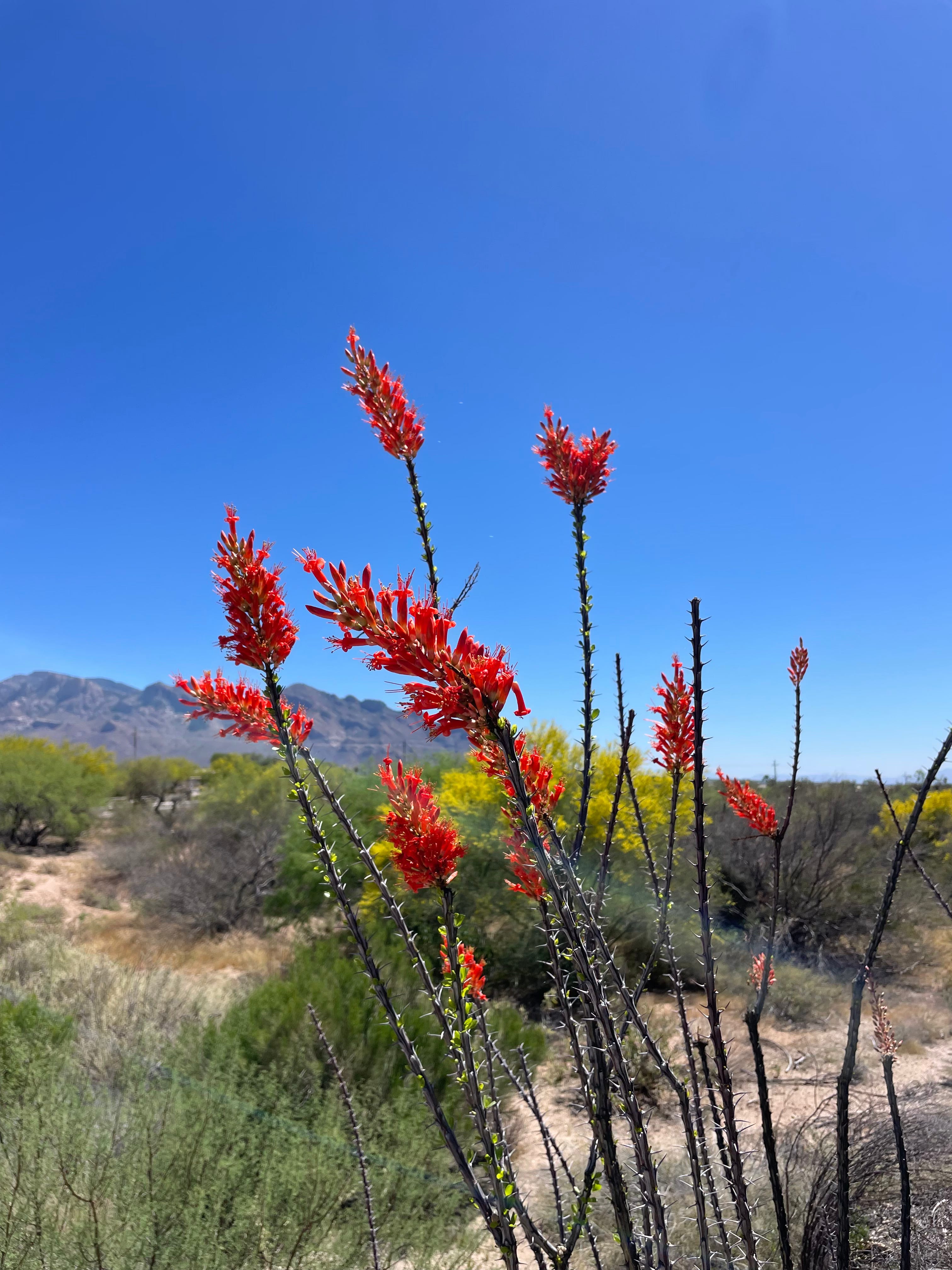
A special WELCOME to our NEW SUBSCRIBERS to EFFIEgram who signed our guest register during the final weeks of Desert Paradise - our exhibit at Sigler Western Museum in Wickenburg - and - to those recently joining the Effie Art Community through Impressions of the Desert - our current exhibit at the amazing Bisbee Mining & Historical Museum. Our Bisbee exhibit is open daily from 10:00a to 4:00p.
Please join us in Bisbee on Saturday, April 25th as the Effie Art Community gathers. See 21 paintings by Effie Anderson Smith on display and meet your fellow E.A.Smith collectors and fans for an afternoon of Effie-thusiam including light refreshments and a talk by me - Steven Carlson, President & Curator of the Effie Anderson Smith Museum & Archive. Our Museum Board Members will be on hand to welcome you to this gathering and chat with you.
This all takes place between 1:00 and 3:30 pm on Saturday, April 25th.
Special Surprise !!! - On display in Bisbee on April 25th - for a limited time - will be two recently discovered paintings by Effie whose whereabouts have been unknown since the 1930s.
This is the first time these canvases of Arizona scenes have been publicly displayed since at least 1939 - if ever. I’m personally very grateful to two of our avid Effie collectors from Phoenix for their quick action to ensure these art treasures are again within our Effie Art Community and available for the world to see them - possibly for the first time ever!
Come visit us and bring a friend or family member! See you at the Bisbee Mining & Historical Museum - 5 Copper Queen Plaza in the heart of historic old Bisbee.
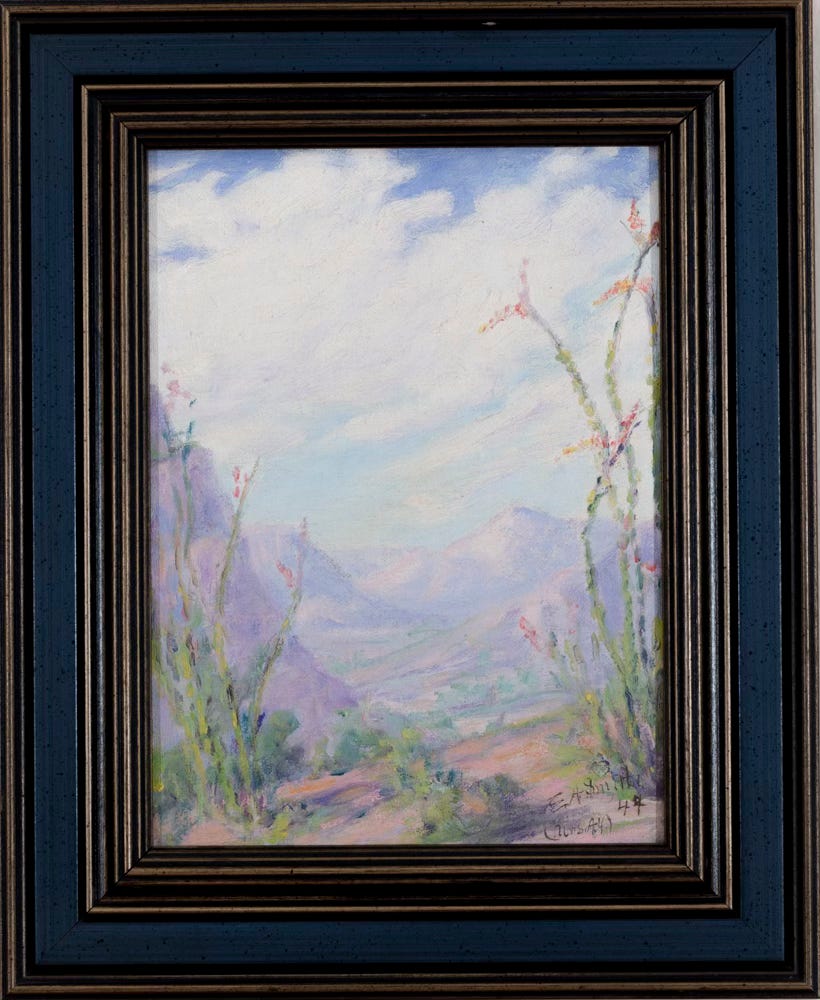
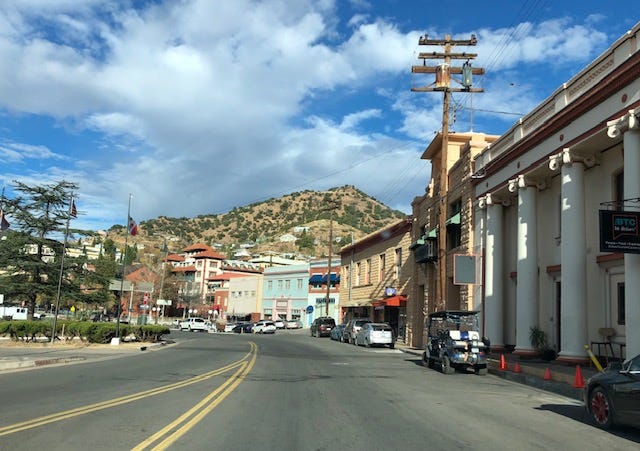
BISBEE’s history and attractions draw visitors from all over the world - every day. Our Effie Anderson Smith exhibit is in Bisbee this year because it is also an important place in Effie’s inspiring life story .
Although Effie did not reside in Bisbee, she spent a great deal of time here and was drawn back to this economic hub of Cochise County - time and time again - for reasons both personal and professional.
It was in Bisbee that Effie took major steps toward achieving two of her biggest life dreams - as a woman and artist.
Effie’s Journey to the Arizona Territory - Hope, Deming and Bisbee - 1890-95
When Effie came to marry and live in the Arizona Territory in late July 1895, she was a 24 year old widow. She had first married her longtime sweetheart, William Mark (Willie) Spencer, in a December 1890 Methodist Church ceremony in Hope, Arkansas. Effie certainly knew that Willie suffered occasional bouts of the disease we now call tuberculosis. But it’s unlikely that Effie and Willie Spencer could imagine that before winter turned to spring, Willie’s health would spiral into a crisis.
As the buds of spring 1891 appeared on the trees, his life energy went out of him, leaving Effie a widow at 21 years of age, after only three months of married life. Whatever her dreams of family life were - and her art as part of that - those dreams seemed to be shattered in an instant.
Effie chose to spend spring and summer of 1891 living in the hotel that Willie’s family operated in their Arkadelphia home, situated between the train depot and the village. That time of mourning - within the warm embrace of Willie’s parents and siblings in the house where he grew up - allowed her to be part of the Spencer family she married into. At least for a season. It also offered Effie the space she needed to process her emotions, attempt to plan her unexpected future as a young widow, and perhaps enjoy the distractions and socialization of the flow of visiting guests at the Spencer House Hotel in the bustling railroad and river town of Arkadelphia.
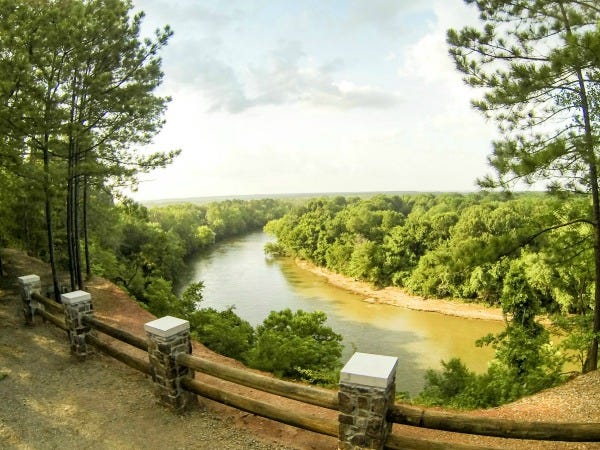
When she married Willie, Effie had recently completed the teacher training program at Hope Female Institute, which offered her a chance for a degree of independence, to earn an income, and even mobility. Teaching was one of the very few socially acceptable professions for a young woman of that era, outside the confines of the home. Especially so in the South. After two years of teaching in the schools of Nashville and Hope as Mrs. Effie A. Spencer, an opportunity arose for a new life in the West. Her teaching experience and family connections would make this relocation even more viable.
Effie’s father (Maj. Adolphus Anderson) passed away in 1893. His University of Virginia education equipped him for work in several fields - from agriculture to surveying, and the development of an Antimony mine in Arkansas starting in 1883. His death ten years later in March of 1893 came just as the national economy deteriorated following the Panic of 1893. A massive tornado also tore through Southwest Arkansas a month later, leaving as many as half the population of the area severely impacted (according to reports in Little Rock newspapers). This series of tragic events brought an uncertain future to the Anderson women.
Effie’s older brother George - already established in the New Mexico Territory - returned to Arkansas at this critical time to bring Effie, her mother Adelia and sister Carrie - west to Deming, NMT where he had first worked in the mines of nearby Silver City - and then for the railroads at the Deming Depot. He would soon establish himself as a rancher. Effie also had an enterprising uncle in Deming whose successes in mining, agriculture, real estate and other ventures in New Mexico were helping build up Deming. The dry climate was also better for Adelia Anderson’s health, as Effie’s mother is also believed to have suffered from the same disease that took Effie’s first husband, Willie.
Soon after arrival in New Mexico, both Effie and her sister Carrie accepted teaching roles beginning in the fall of 1894. Joining local church and social groups in Deming, Effie would shortly meet the man who would become her second husband. After a few months of courtship, Andrew Young Smith asked Effie to join him for a new life together in the Arizona Territory. From the outset, Effie knew Andrew was interested in transitioning from his work as a railroad clerk into the mining industry.
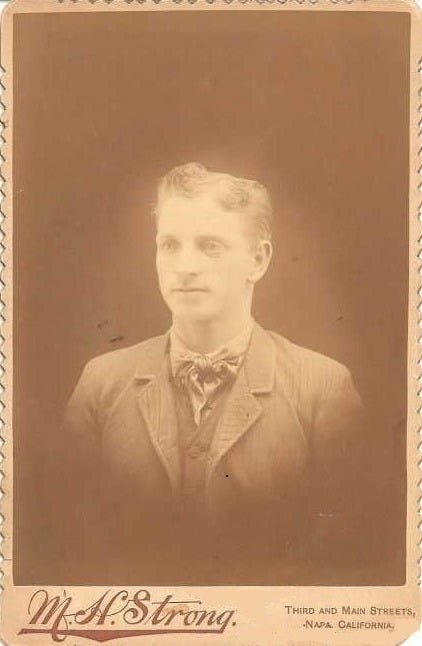
Andrew Young Smith (known as A.Y. Smith) came to America from Scotland with his mother and siblings to Carrollton, Missouri at age 13 in 1882. There he apprenticed in the quarries of Carroll County as a stone cutter. It’s likely A.Y.’s father had already been working there when his wife and family arrived from Ayrshire, Scotland. Scottish stone cutters in the U.S. are well know for having major roles in the construction of the White House, State Capitol buildings and Courthouses in several states and many other important stone buildings across the U.S. in the 18th and 19th centuries.
This work took Andrew from Missouri to the Suisun Valley of Northern California - east of Napa - where the enterprising A.Y. managed to secure himself a part-time fill-in role as railroad depot clerk at Cordelia Junction, a job which allowed him to transfer to similar roles around the West, including at Deming and Benson.
In hopes of finding his entry into mining with those dual transferrable skills of stone cutter and clerk, he had been to Bisbee seeking employment, in advance of asking Effie to marry him and move to the Arizona Territory. Not finding an immediate opportunity in Bisbee - perhaps due the to national economic downturn that had begun as the Panic of 1893 precipitating a 5-year slump, A.Y. still managed to get himself transferred from the rail depot in Deming down the line to Benson, which was a key rail station for people and freight traveling to the mining camps of Southern Arizona, including Tombstone and Bisbee. From there, he could better keep his eyes and ears open for his first mining job.
SUMMER 1895 - A Second Chance at Happiness.
A.Y. Smith proposed to Effie in Deming, and she agreed to come to Arizona to be married - not in Benson - but in Bisbee, where the elegant Bessemer House (aka Bessemer Hotel) served as lodging for important mining executives and other visitors. Its 2-1/2 story Victorian proportions, large side porches on two levels with some of the best views of Bisbee - its bay windows and suitable rooms to host a wedding and reception - were all exactly what AY had in mind for his young bride.
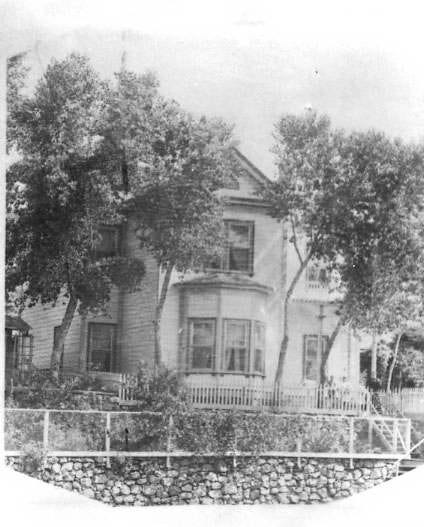
You may view many images of the Bessemer House where the Smiths were married on August 1st, 1895 in historic photos available for your browsing on the Bisbee Mining and Historical Museum website. The Museum is our host for our current Impressions of the Desert exhibit of 21 paintings by Effie Anderson Smith. On the Museum’s amazing Photograph Archive pages just enter the name Bessemer in the Search, and after you press the Search button you will get a great display of many period photos showing the regal Bessemer home with it’s white exterior and grand facade and side porches presiding elegantly over the center of town. It is long gone, but you can imagine Effie’s reaction to finding such graceful architectural charms amidst the industrial, mining and rail activity all around it.
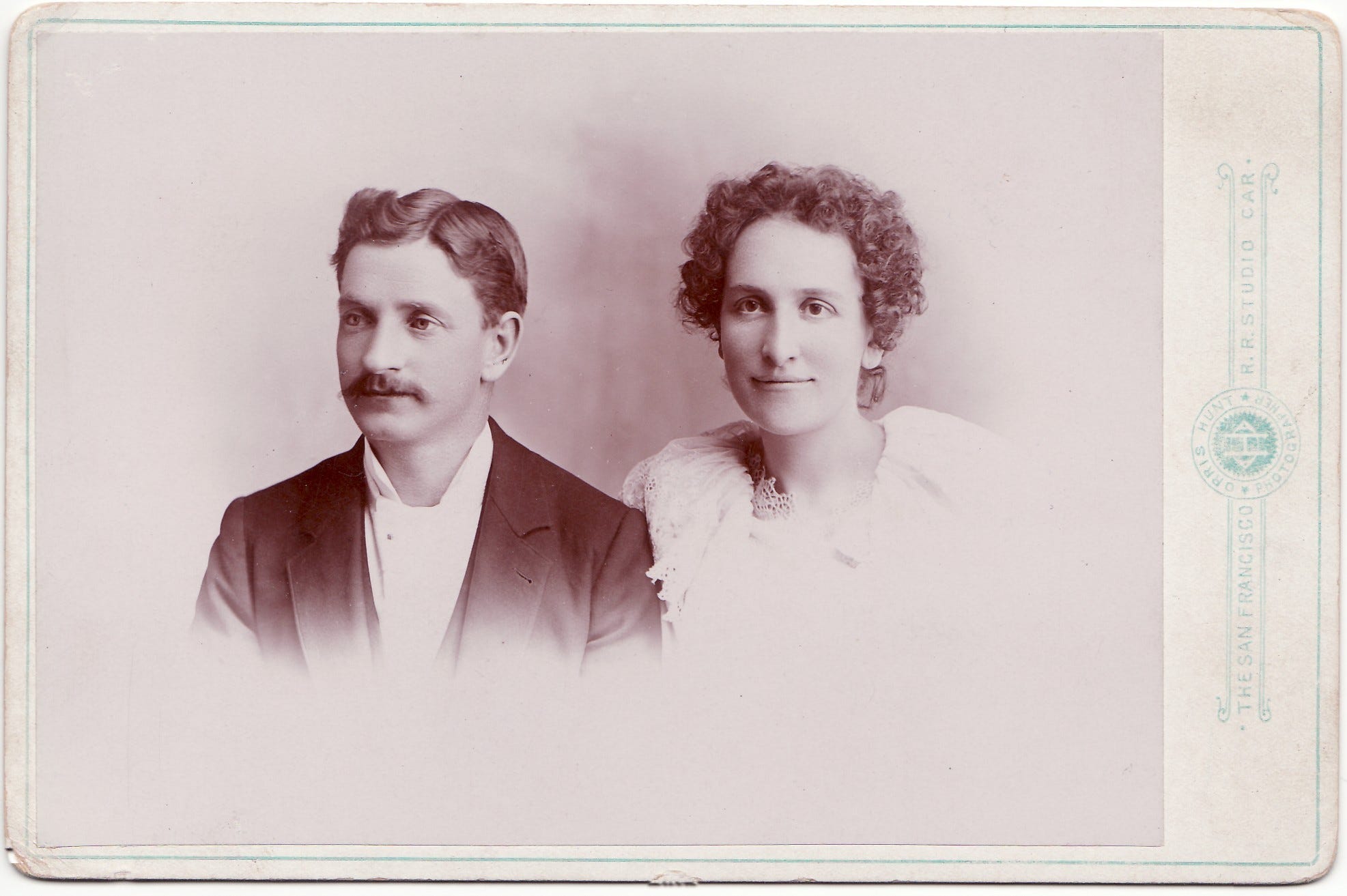
Effie’s second wedding in Bisbee was not only a new beginning for the young widow known as Mrs. Effie A. Spencer in Deming - but a renewal of her hopes of having a home of her own, a husband and family, and perhaps a studio for her art when the demands of family and social life allowed.
For a start, Bisbee - with the charms of the Bessemer Hotel and the new friends A.Y. had made in Bisbee before Effie’s arrival to join him - were probably a dream come true. All this was enough to keep Effie and A.Y. coming back to Bisbee throughout their lives.
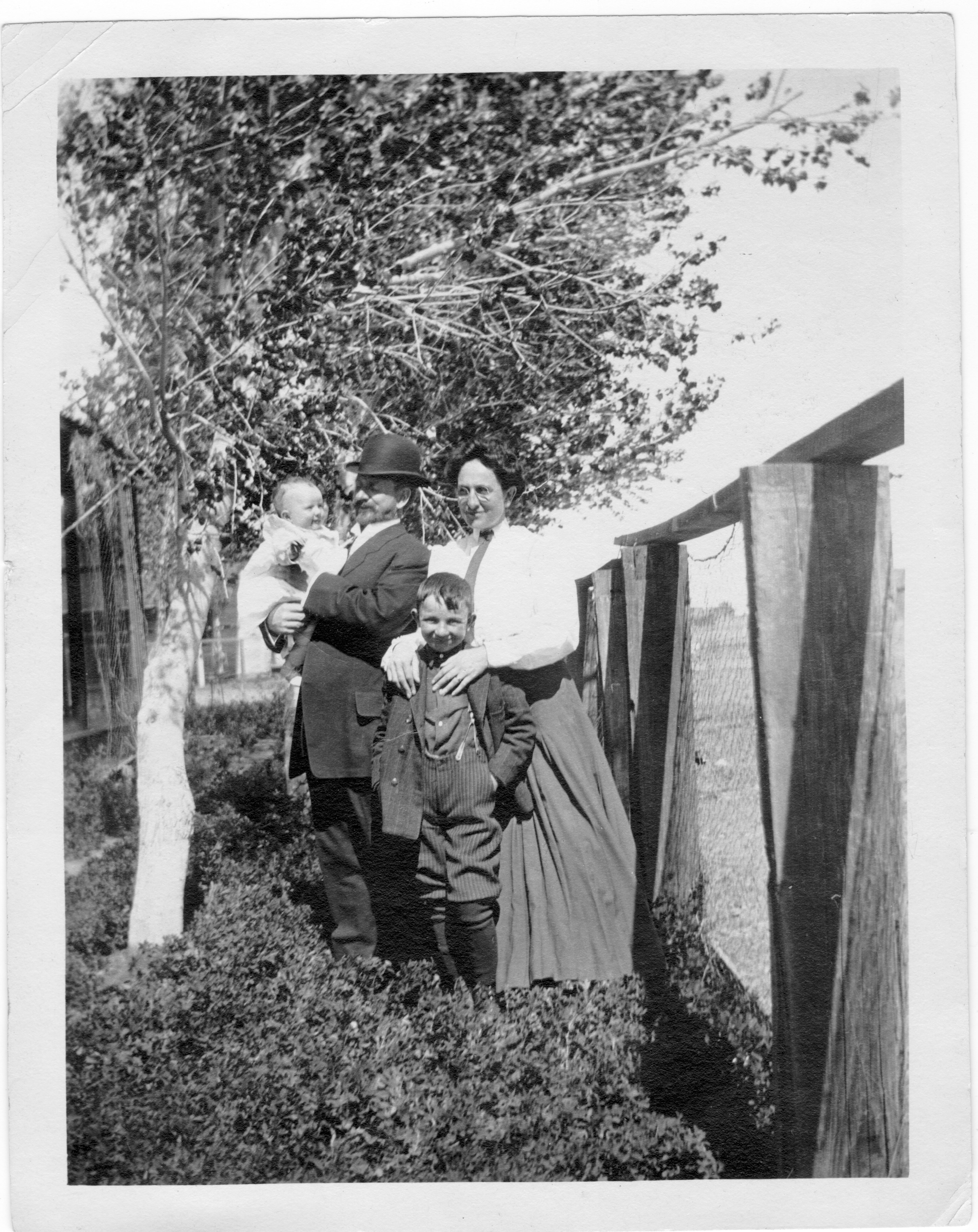
The Smiths would settle into a new home in Benson for their first year together - about 50 miles to the north of Bisbee along the main east-west rail corridor - where A.Y. would continue work for the railroad and Effie taught school for a time until the birth of the couple’s first child (Andrew Bosworth Smith, b. 1896). Of course, the Smiths were back in Bisbee countless times, even after they established their longtime home at the mining camp in Pearce. For reasons related to friendships, personal and mining business, civic activities, including their Masonic offices and A.Y.’s involvement with the Knights of Pythias, Bisbee remained important in their lives.
Eventually, Effie would return to Bisbee in the cause of her art.
SPRING 1921 - Effie’s first solo art show. It happened in Bisbee…
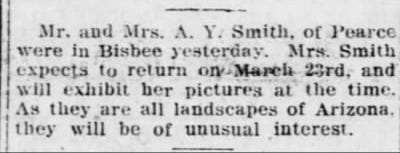
Effie had been drawing and painting since her childhood in Arkansas, and evidence of that is in the form of an oil painting from 1884 when she was approaching her 15th birthday, as well as other newspaper mentions of her art related activities going back to the early 1900s in California and Arizona. But it appears the first solo show of her paintings of Arizona’s deserts, mountains and canyons took place in Bisbee on March 23rd, 1921.
By that time Effie had been painting sporadically for over 45 years, while balancing her life as the wife of a mine manager whose home was a gathering place for that enterprise and all the interruptions it brings. Add to that her role as a mother, Sunday School teacher, activist in civic groups, political campaigner and the founder of a Red Cross Chapter.
The time Effie needed to concentrate on paintings without interruptions - to go out into the desert and paint en plein air - was often quite difficult to carve out. And yet, by 1918 she was satisfied enough with her art - following studies with California impressionist art mentors - that she could envision presenting a solo exhibit.
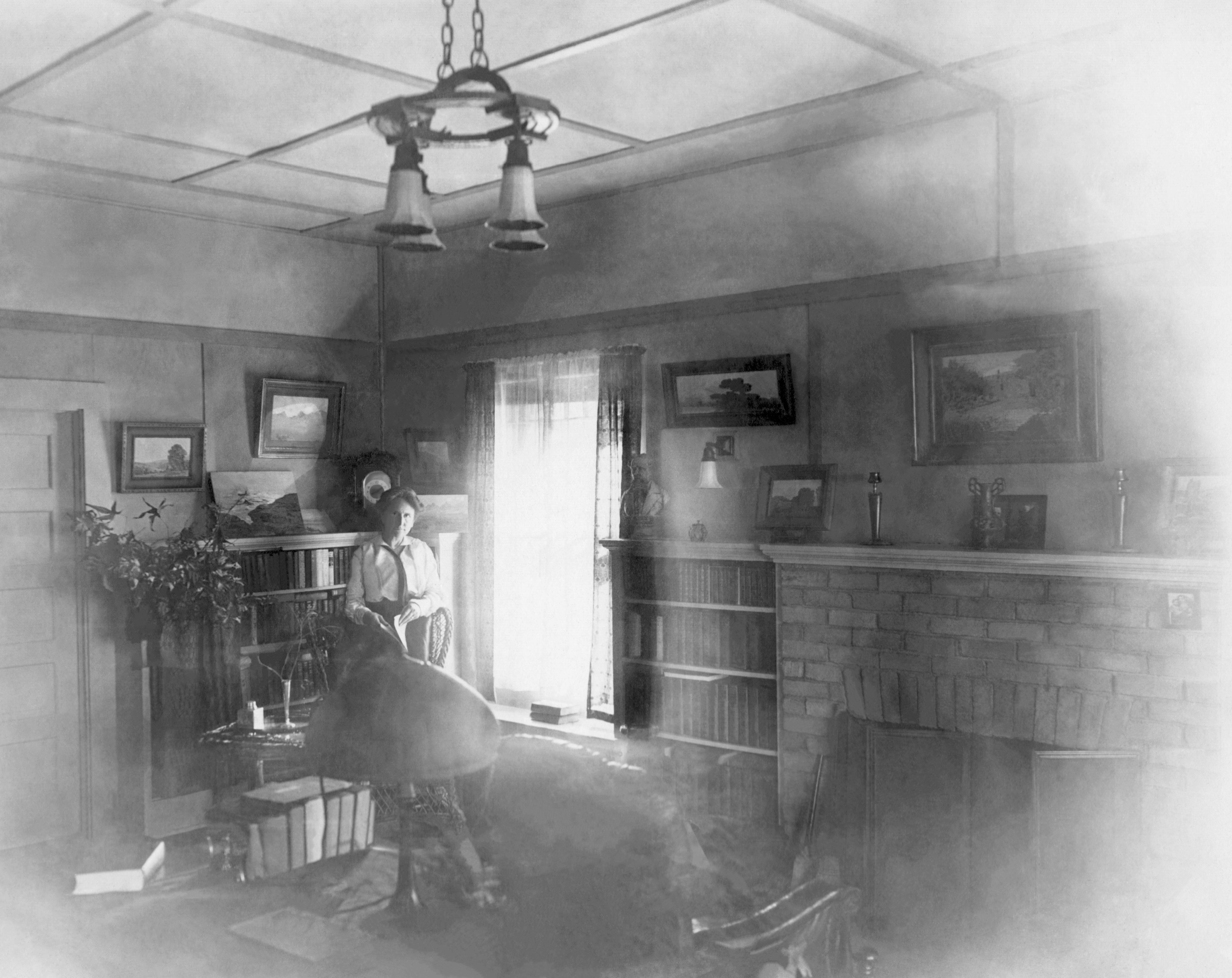
At the start of the Roaring 20s, America and Arizona were emerging from the impact of World War I, the 1918-20 Influenza Pandemic, and along the borderlands the decade long Mexican Revolution very nearby. All three dramatic events took a toll on the mining industry and society as a whole.
A few years before, Effie and A.Y. had been concerned that placing their son Lewis in high school while the Revolution was ongoing within earshot, could be dangerous. So, California investors in the Commonwealth Silver Mine at Pearce, where A.Y. Smith had long been Superintendent and President - encouraged the Smiths to bring their son to Los Angeles for school. It would also give A.Y. opportunities to seek additional investment in the mine. A side benefit of the Smith’s time in L.A. was the fulfillment of a promise A.Y. made to Effie to help her further her artistic talents by affording her the chance to study with artists who could guide her in developing her technique.
Effie was 45 when, in 1914, son Lewis was well established in his studies at L.A.’s prestigious Harvard School. Effie could now begin studying with Anna Althea Hills at the Laguna Beach art colony and soon encountered artists involved with Pasadena’s Stickney Memorial Art School where European born California Impressionists - Jean Mannheim among them - were involved in getting that new school off the ground. Following about 3 years of study to enhance Effie’s artistic technique that she had been developing over the preceding decades, Effie was nearly ready to present her first solo exhibits in Arizona. But with her civic involvement founding the Sulphur Springs Valley Red Cross chapter to create personal care kits for local boys going off to training as the US entered World War I in 1917 - and the emergence of the 1918 influenza pandemic - Effie’s plans for an art show went on hold.
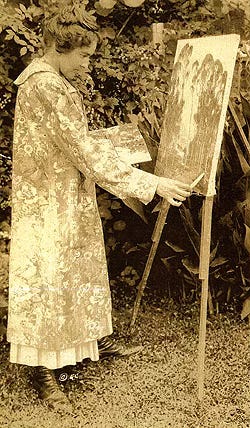
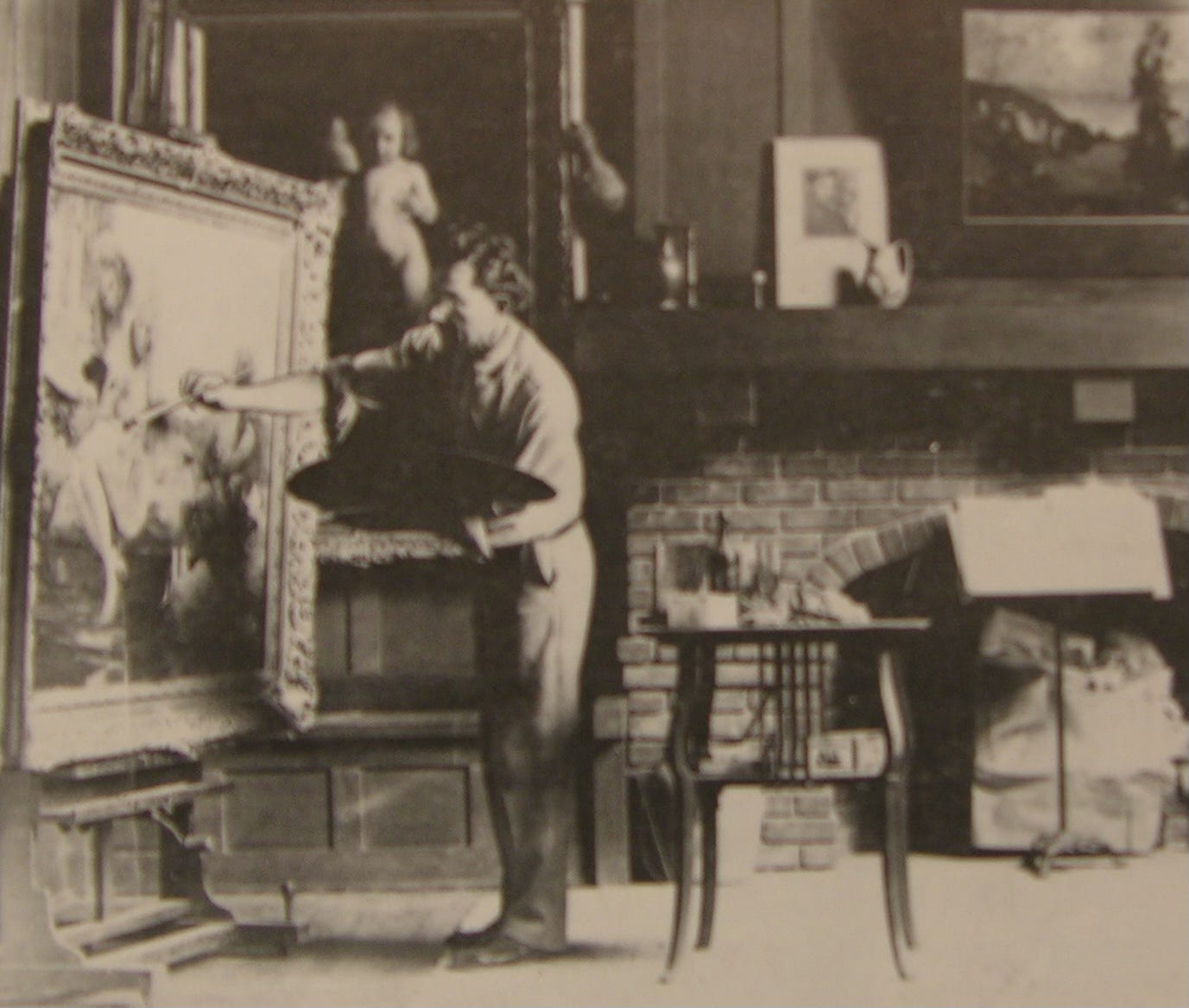
As 1921 began, Effie felt confident enough that she had the capacity to make art again a priority and announced in early March that she would open a solo art show at the Bisbee Woman’s Club starting March 23rd. While we know Effie was already widely known in Arizona as an artist of merit - the Bisbee Woman’s Club exhibit and talk is the first solo exhibit that we know of by Effie. It was the first of many such exhibits she would present across the state throughout the 1920s - a series which included solo shows in Douglas, Tombstone, Benson, Nogales, Globe, Miami, Phoenix, Casa Grande, Safford, Clifton and beyond. This was partially in her role as Art Chairman of the Southern District of the Federation of Woman’s Clubs in Arizona.
Many of the paintings Effie displayed in these shows of favorite vistas around Cochise County - and others which were the result of her visits to Central and Northern Arizona (Superstition Mountains, Oak Creek Canyon, Painted Desert, San Francisco Peaks, the Grand Canyon, and beyond) perished the night of September 17th, 1929 -when Effie’s home and studio of 32 years in Pearce burned.
More than 50 of her finest paintings and almost all of her early art going back to her youth in Arkansas in the 1880s - were forever lost. Only a few paintings she sold to friends in Bisbee and elsewhere prior to the 1929 fire are the remaining survivors.
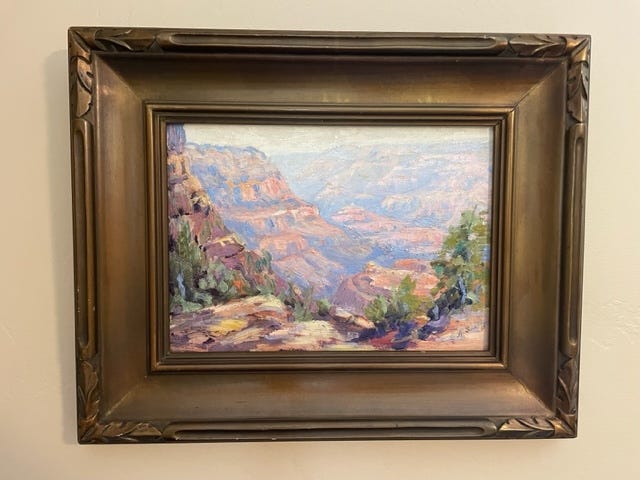
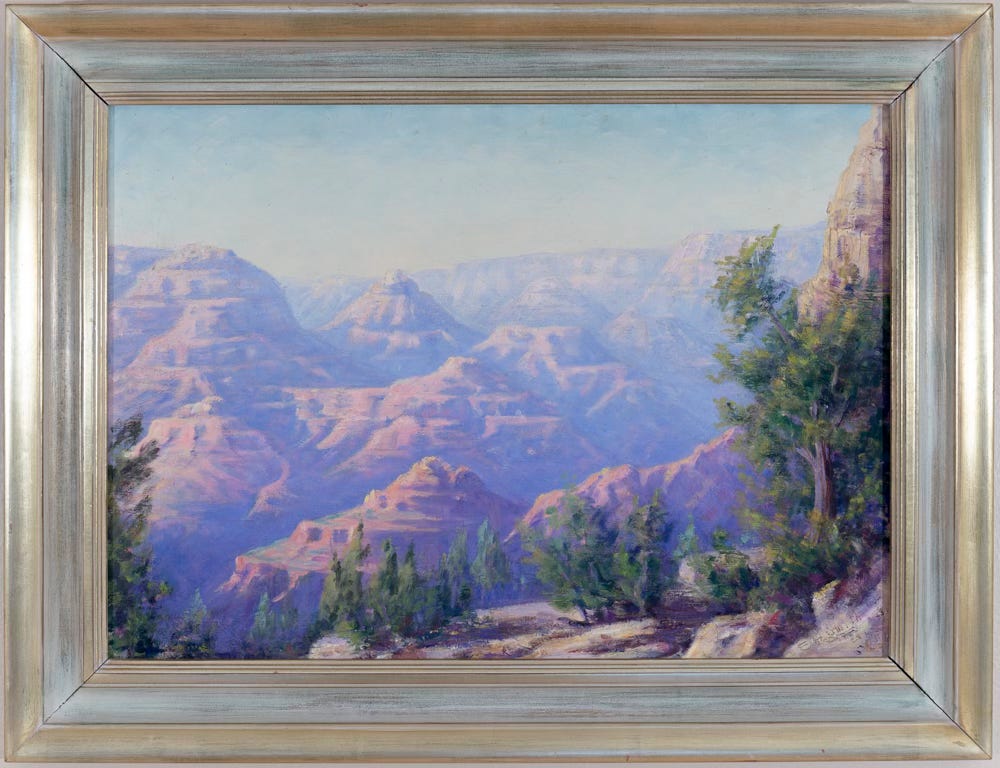
We have a few of these ‘survivors’ in out current Bisbee Mining & Historical Museum exhibit in Bisbee. This includes some paintings in her early style (pre-1925, above) and her later more mature style (below) - including two glorious Grand Canyon paintings she was working on at the time of the 1929 fire and were miraculously pulled out of the house before they were consumed by the flames.
Effie’s Art in Bisbee - the 1930s and Beyond
It’s easy for us to forget - with the massive population growth that has occurred in the Phoenix area after World War II - that for a significant period of Arizona’s history, three cities in Cochise County were among the largest cities in the territory and in the early years of Arizona’s statehood.
For a decade in the 19th century, Tombstone was the largest city in Arizona. For similar mining related reasons, Bisbee was once Arizona’s third largest, and for more than a decade at the beginning of the 20th century both Bisbee and Douglas vied for that honor.
The video below is a fascinating visual presentation of the rise and fall of Arizona’s great cities and towns by population, from 1850 onward into the discoveries of gold in the 1860s and beyond.
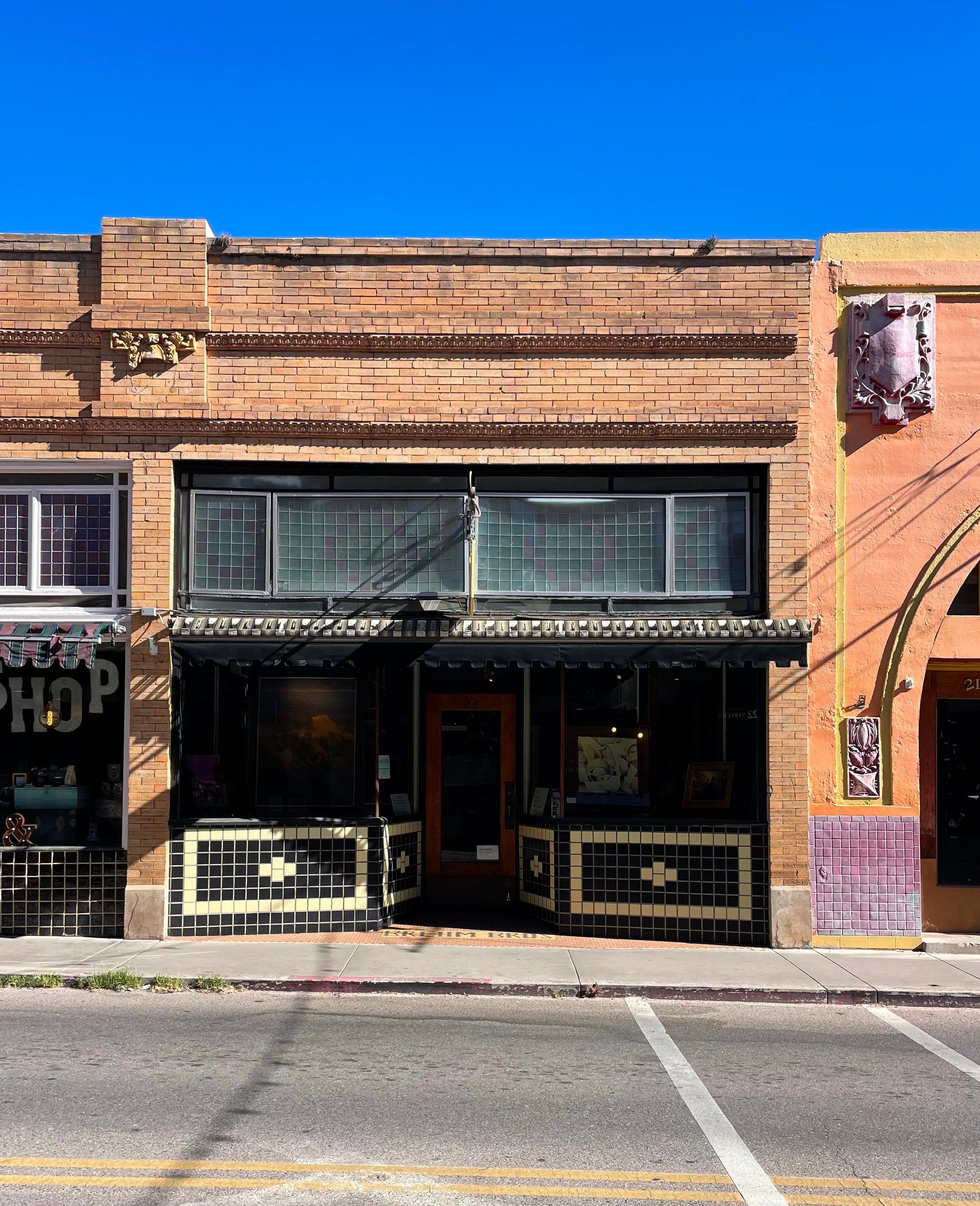
Brehm Brothers in Bisbee was a retail purveyor of jewelry and elegant housewares such as crystal and silver. They also sold decorative items made of copper, and it is known among Brehm descendants that Effie enjoyed coming in and purchasing those copper items when the Commonwealth Mine (mainly silver) was providing the Smiths with an income that allowed Effie some discretionary income.
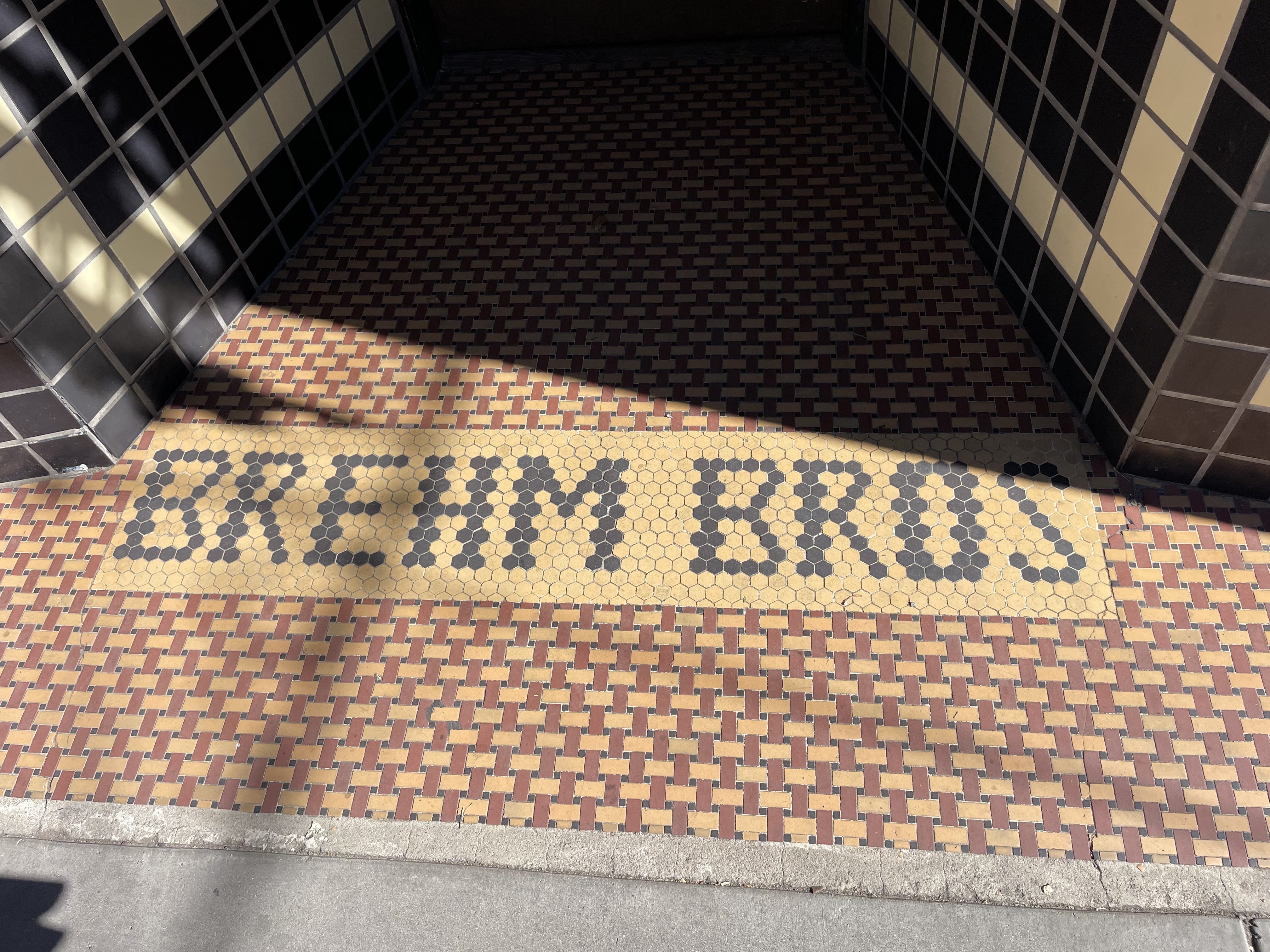
Brehms was also open to displaying art works by Effie for sale in their Bisbee and Douglas stores where the wealth of many residents was such that they had the means to indulge their taste for fine things and fine art. As fate would have it, the old store now houses the Belleza Gallery - displaying and selling southwest art to tourists and local folks. No Effie paintings are on sale there today, of course, but the shop is certainly worth a stop, even if you are not art shopping and being more of an Effie history detective!
(Note: Canvas Prints of Effie’s most popular paintings are available exclusively from the Effie Anderson Smith Museum for a donation. Please see our website’s SUPPORT page.)
Due to the absence of art gallery stores in Arizona until the late 1930s, Effie is known to have sold sporadic paintings through photography studios, art supply stores that had a space for artists to hang their works, and the art salons she would hold for a week or more in rooms she would secure at leading luxury hotels across the Southwest, once or twice a year. More on those salons in a future Effiegram.
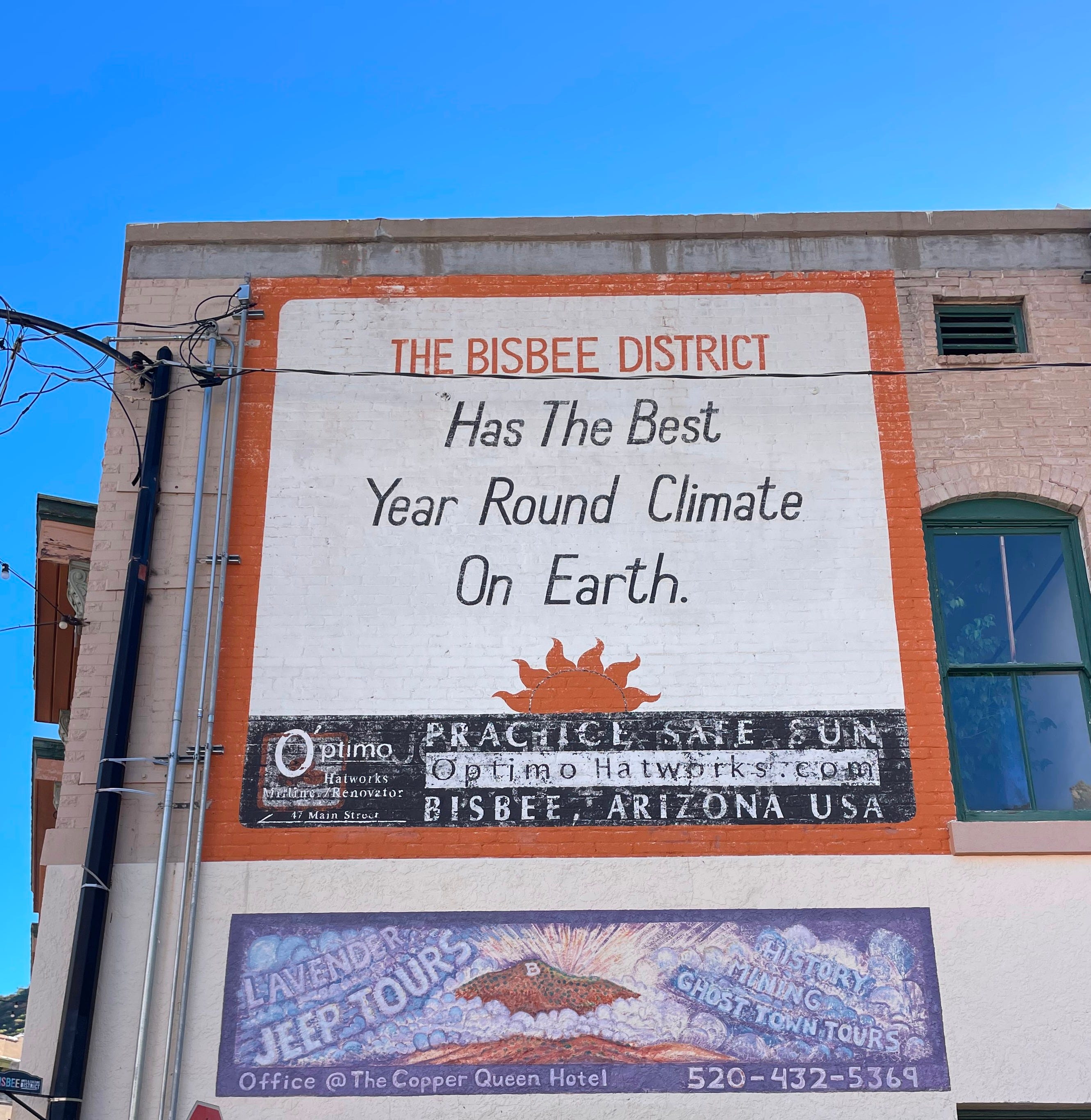
There’s lots more to explore in Bisbee, including our Impressions of the Desert exhibit of 21 paintings by Effie Anderson Smith at the Bisbee Mining & Historical Museum.
My delightful stay at C & A Guest House in the Warren district of Bisbee…
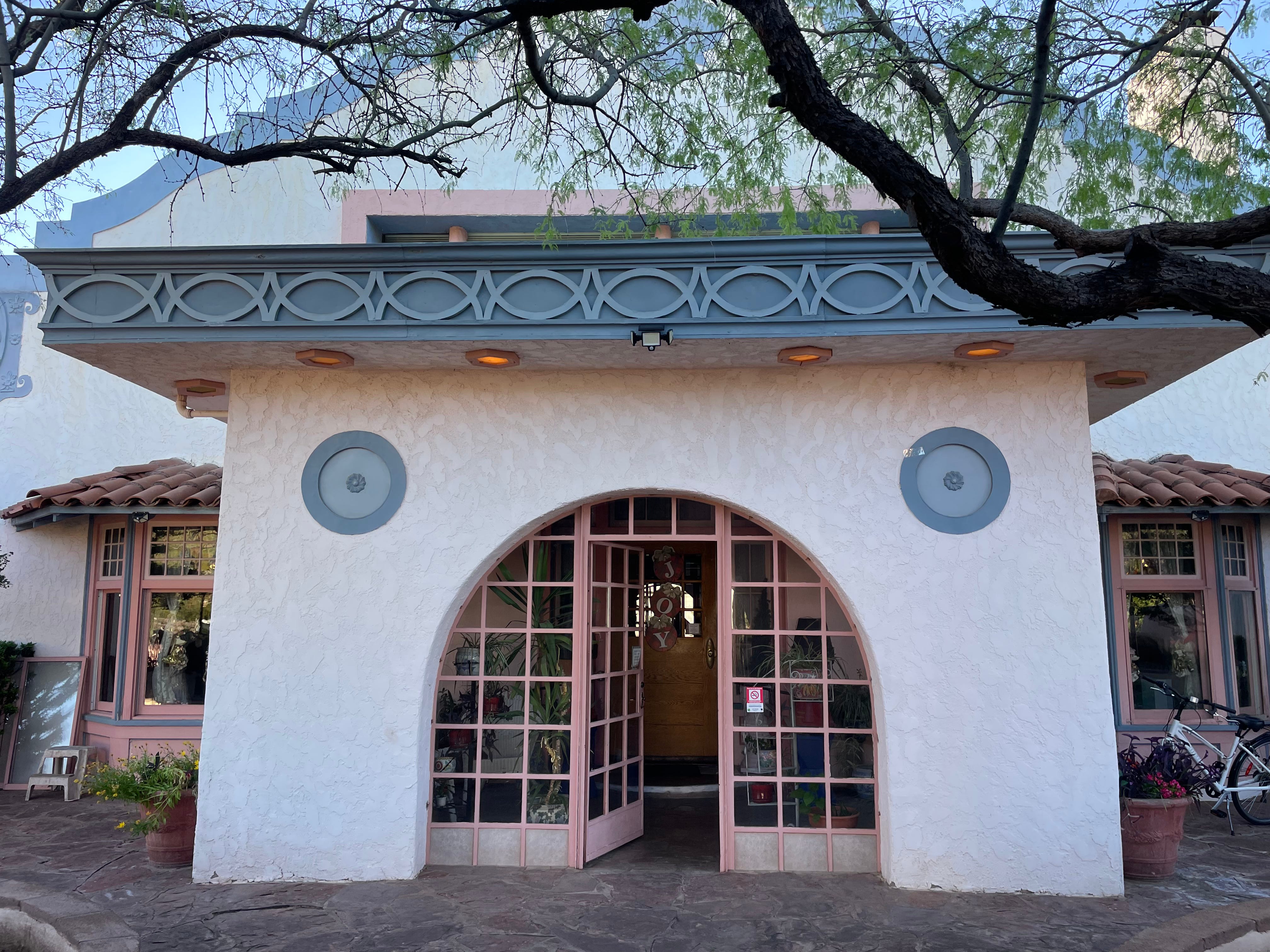
I was hosted recently for a delightful stay by the Calumet & Arizona Guest House - a historic Inn created for the mining company of that name in 1906 by architect Henry Trost - who also created many other great architectural creations which dot the Midwest and Southwest - each a gem of their era. The rooms at the C & A Guest House are ample in size, and decorated with period furnishings.
Joy and team have saved every detail of this gracious old lodge that could be retained and brought in a few modern touches where it made sense to do so.
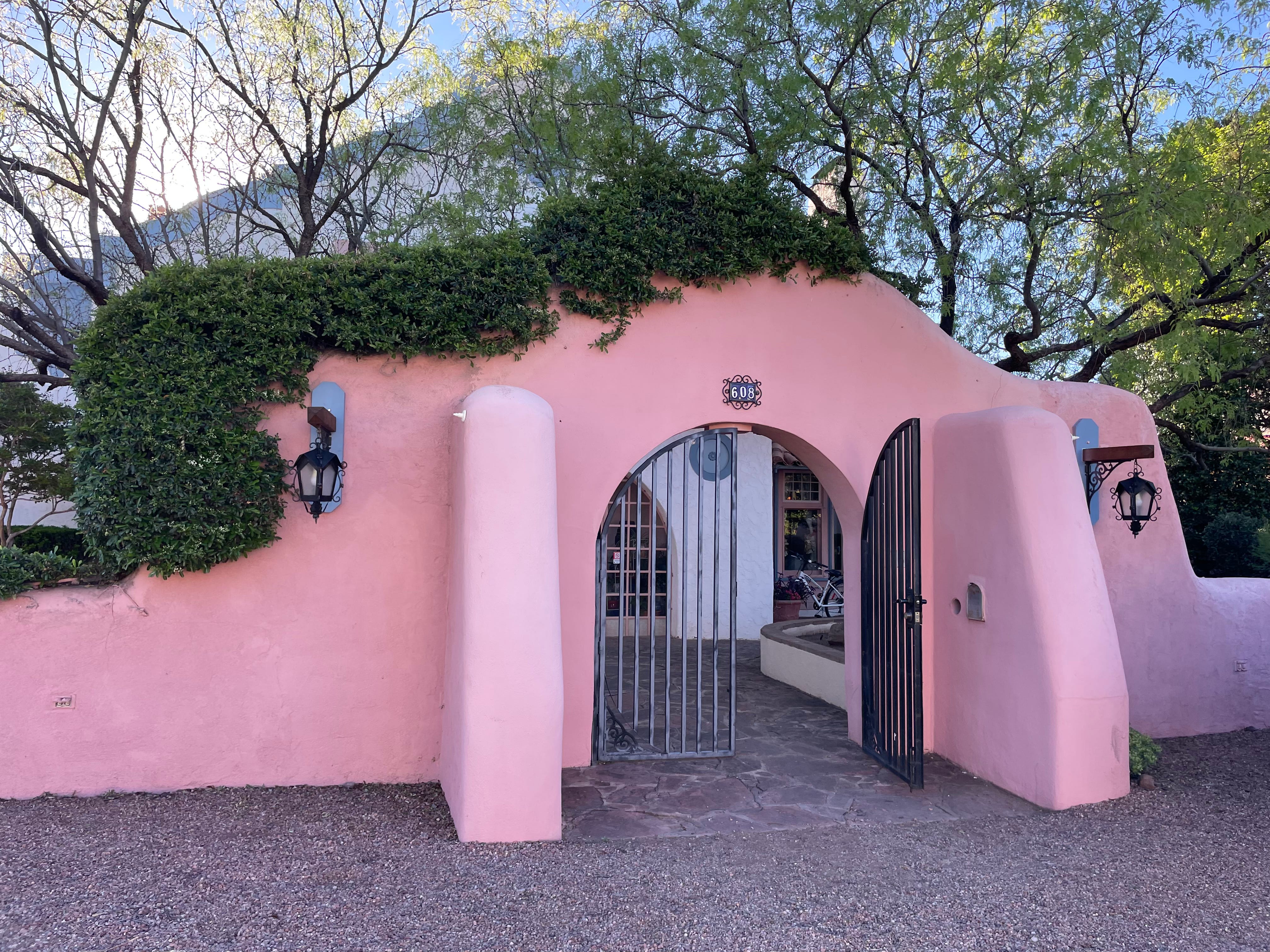
Located in the enclave of Warren - developed on the ‘city beautiful’ concept - the Inn is surrounded by charming early 20th century craftsmen homes and some rather grand villas (also designed by Trost) that were built for the famous Douglas and Greenway families.
Below you see my exterior photos of the gateway to one of several charming courtyards and then the grand entrance that takes you into the C & A Guest House itself. See the Calumet & Arizona Guest House site for interior photos and details.
If you want a taste of early Bisbee and Borderlands architectural charm and a quieter area to retreat to after exploring old Bisbee all day, the C & A Guest House is a wonderful option!
We will be updating you soon on several Effie Art Community events planned for our exhibit at the Bisbee Mining & Historical Museum during the coming months.
Our Next Event … Exhibit Reception with Light Refreshments and Presentation on Effie’s life - in and around Bisbee and Cochise County.
Saturday, April 25th - 1:00 to 3:30 pm with a Talk at 2:00 pm. Come meet our Effie Museum Board Members, connect with other Effie Anderson Smith art fans and collectors - meet our museum hosts at the Bisbee Mining & Historical Museum - and stroll the nearby streets of Bisbee with it’s lively arts community. We look forward to seeing you very soon in Bisbee!
PLEASE SUPPORT OUR WORK …
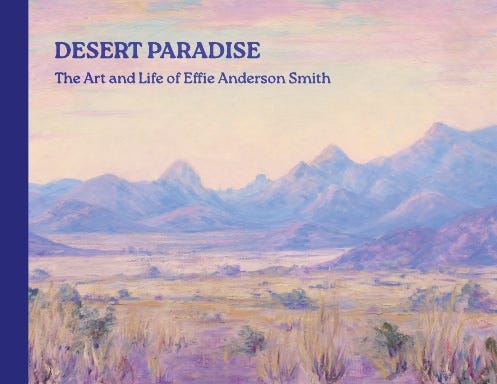
We are grateful to you for your donation in any amount. For your contribution in support of our exhibits, our art conservation efforts and to aid us as we seek a Permanent Home for Effie’s Art - your generous gift of $ 50 (or $ 5 per month) will bring you a copy of DESERT PARADISE as our Thank You Gift - including a selection of images of Effie’s most popular paintings and her life story. Just visit our Effie Anderson Smith website’s SUPPORT page to donate.
Thank you for your support!